When is the Best Time to Transplant Your Young Magnolia Plant
Transplanting a young magnolia plant can be a delicate task. Doing it at the right time ensures the tree adapts well, grows strong, and avoids unnecessary stress. Moving a magnolia too early or too late can stunt its growth or even cause damage. This guide will help you understand the best timing and conditions for relocating your young magnolia to a new spot in your garden.
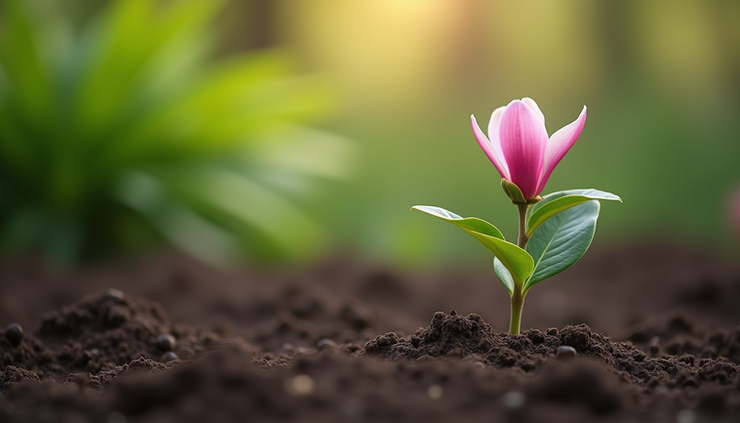
Why Timing Matters for Transplanting Magnolias
Magnolias have sensitive root systems that do not respond well to disturbance. Transplanting at the wrong time can lead to transplant shock, where the plant struggles to recover. This can cause leaf drop, slowed growth, or even death. Choosing the right season and conditions helps the plant establish quickly in its new location.
Young magnolias are especially vulnerable because their roots are still developing. Moving them when they are too small or during extreme weather can reduce their chances of survival. Understanding the plant’s growth cycle and environmental needs is key.
Best Season to Move a Young Magnolia
The ideal time to transplant a young magnolia is during its dormant period. This usually means:
Late fall after leaf drop
Early spring before new growth starts
During these times, the plant is not actively growing above ground, so it focuses energy on root development. Transplanting in dormancy reduces stress and allows roots to settle before the growing season.
Avoid moving magnolias in the heat of summer or the cold of winter. Summer heat can dry out roots quickly, while frozen ground in winter makes digging difficult and damages roots.
Preparing Your Magnolia for Transplanting
Before moving your magnolia, prepare both the plant and the new site carefully:
Water the plant deeply a day before digging to keep roots hydrated.
Choose a new location with well-draining soil and partial sun. Magnolias prefer some shade during the hottest part of the day.
Dig a wide root ball to preserve as many roots as possible. For young plants, aim for a root ball about 12-18 inches wide.
Trim any damaged or overly long roots to encourage healthy regrowth.
Having the new hole ready before you dig up the magnolia reduces the time roots are exposed to air.
How to Transplant Your Young Magnolia
Follow these steps for a successful transplant:
Dig around the plant carefully to loosen the root ball without breaking it.
Lift the plant gently, keeping the soil around the roots intact.
Place the magnolia in the new hole at the same depth it was growing before.
Backfill with soil, pressing down lightly to remove air pockets.
Water thoroughly to settle the soil and hydrate the roots.
Add mulch around the base to retain moisture and regulate soil temperature.
Keep the plant well-watered for the first few weeks after transplanting, especially if the weather is dry.

Signs Your Magnolia is Ready to Be Moved
Sometimes you may need to move a magnolia because of space, sunlight, or soil issues. Look for these signs that your young magnolia is ready for transplanting:
The plant has outgrown its current spot and is crowded by other plants.
The soil is poor or waterlogged where it currently grows.
The plant shows slow growth or yellowing leaves due to unsuitable conditions.
You want to relocate it to a more visible or protected area in your garden.
If your magnolia is still very small (under 1 foot tall), it may be better to wait until it grows a bit more. Larger young plants handle transplanting better.
Aftercare Tips for Transplanted Magnolias
Once your magnolia is in its new home, proper care helps it settle quickly:
Water regularly but avoid waterlogging. The soil should stay moist but not soggy.
Protect from strong winds which can dry out or damage young branches.
Avoid fertilizing immediately after transplanting; wait until you see new growth.
Watch for pests or diseases that may stress the plant further.
With the right care, your magnolia will establish roots and start growing vigorously within a few months.


_edited.jpg)
Comments